Hello and welcome…

Welcome to this page which is dedicated to the legacy, protection and promotion of Talland House, a place where Virginia Woolf spent her childhood summers, that nurtured her creative imagination and continues to inspire artists of all kinds today. This legacy is currently acknowledged, celebrated and shared through a re-imagining of what is left of its gardens, by way of developing planting which draws from Woolfs’ memoirs and novels.

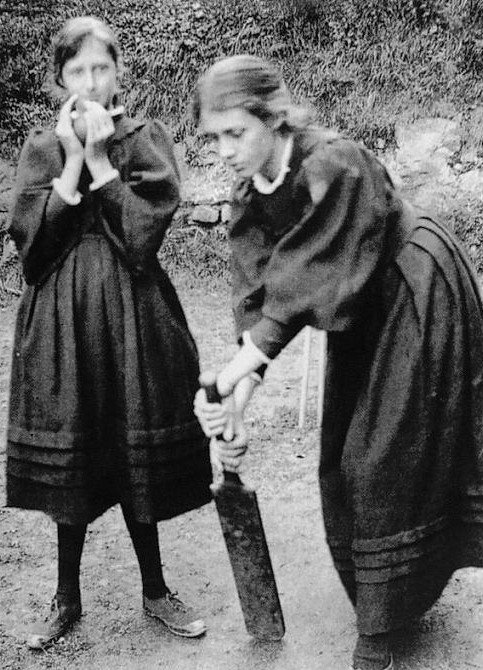
Above 1st BW: Virginia Woolf and Vanessa Bell (nee Stephen) in the garden at Talland 1894.
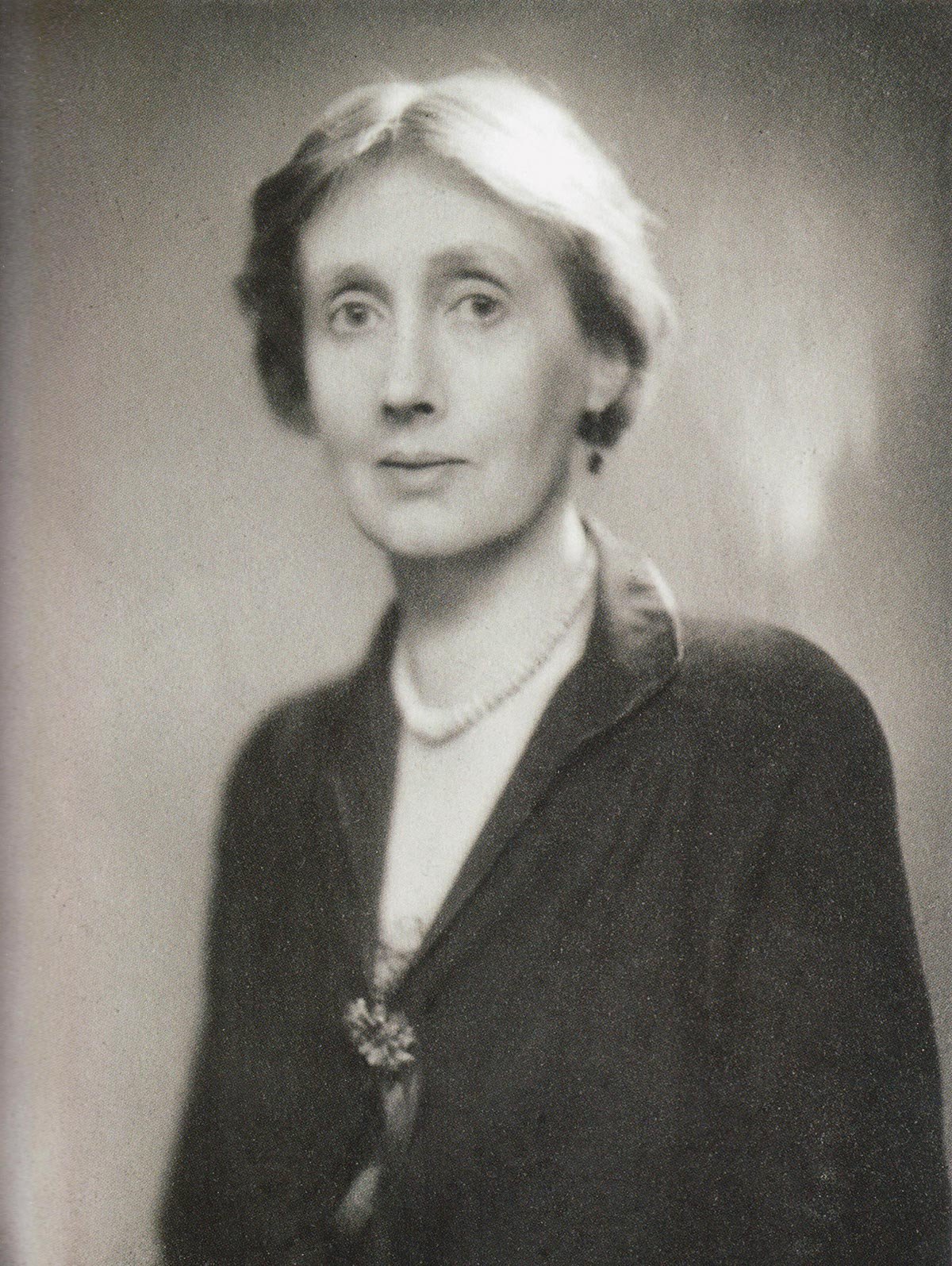
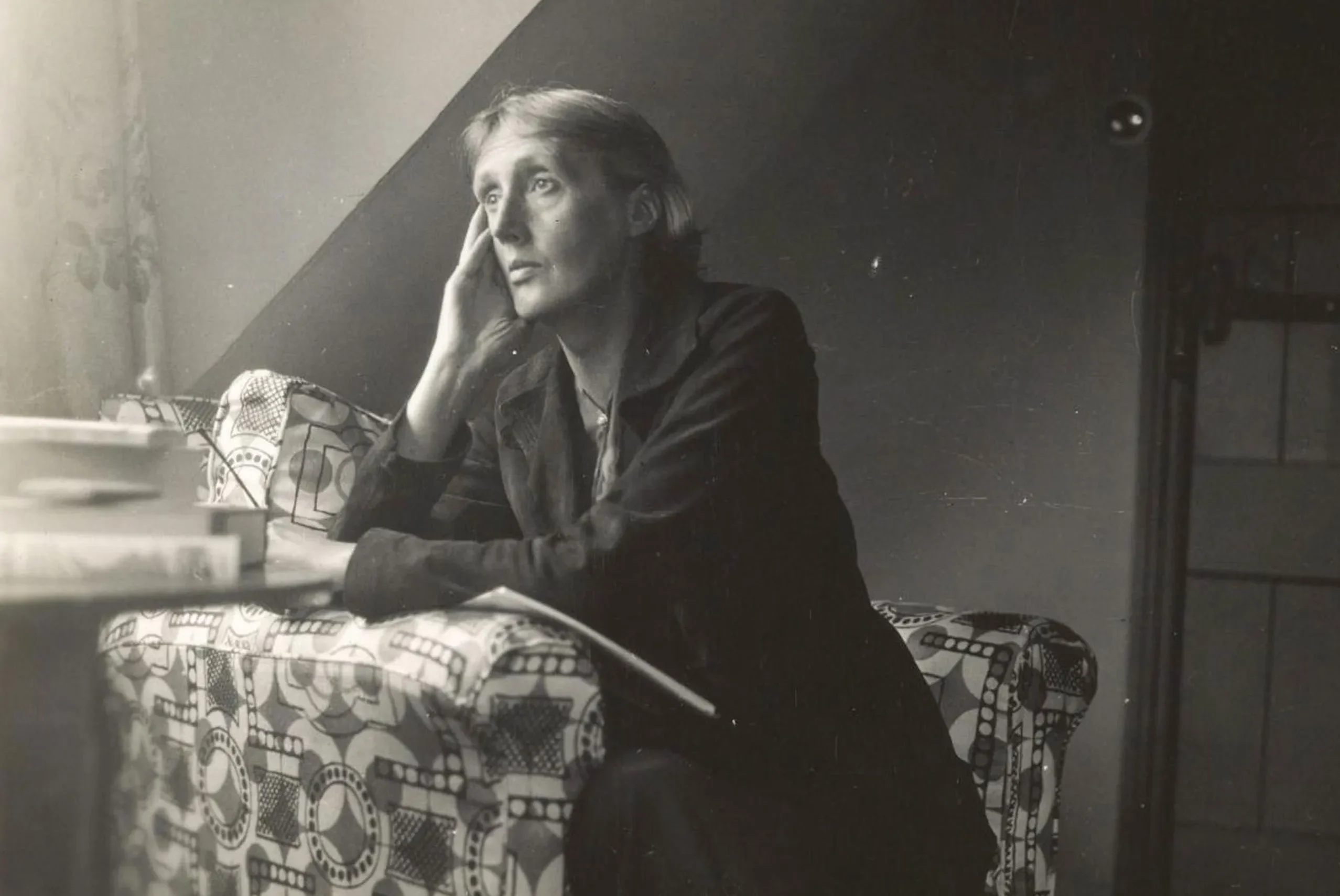
Above 2nd BW: Virginia Woolf by Lenare 1927.
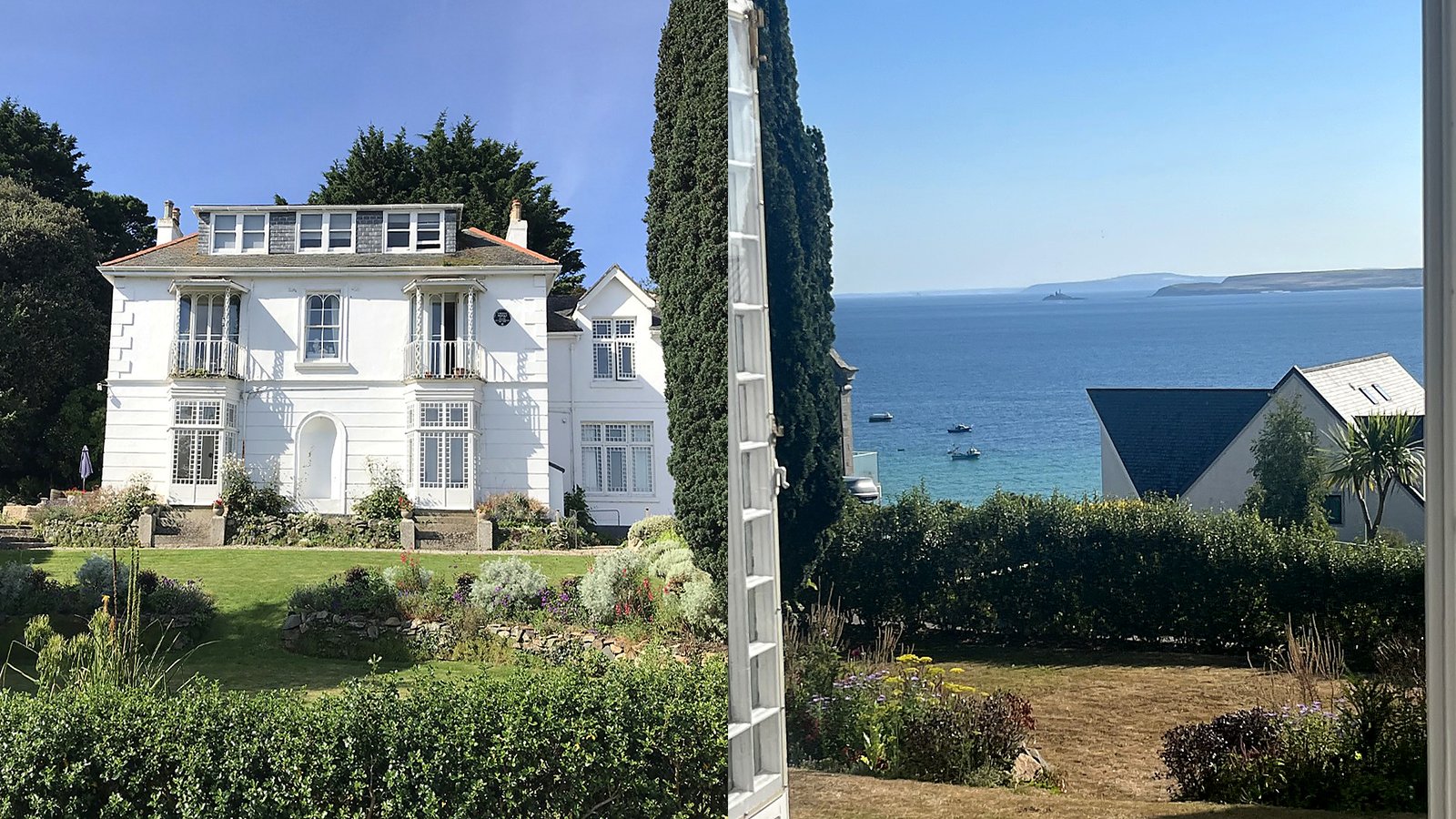
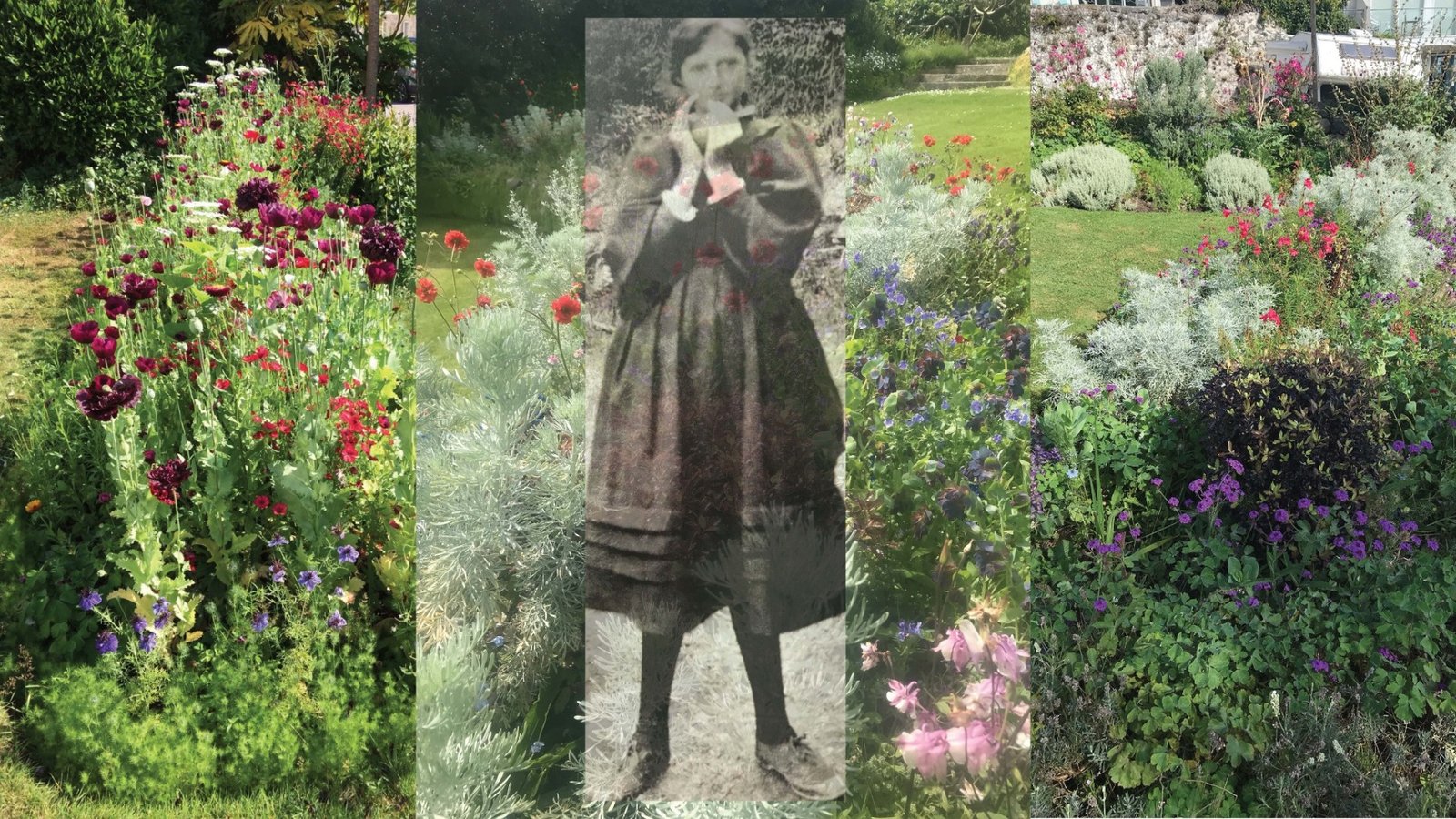
Above: Virginia Woolf (nee Stephen) playing cricket at Talland 1894 overlaid onto collage of Talland garden in the present day.

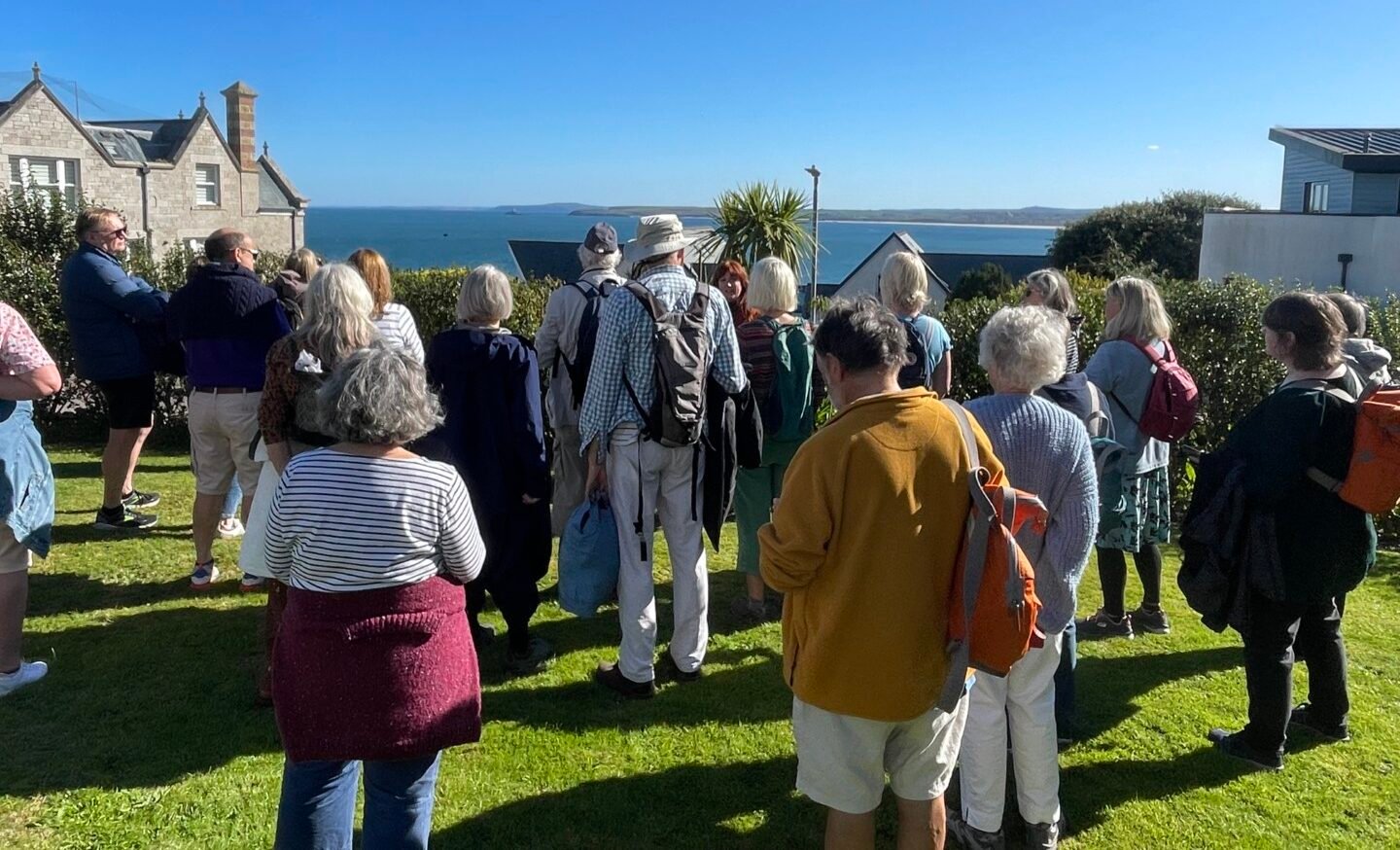
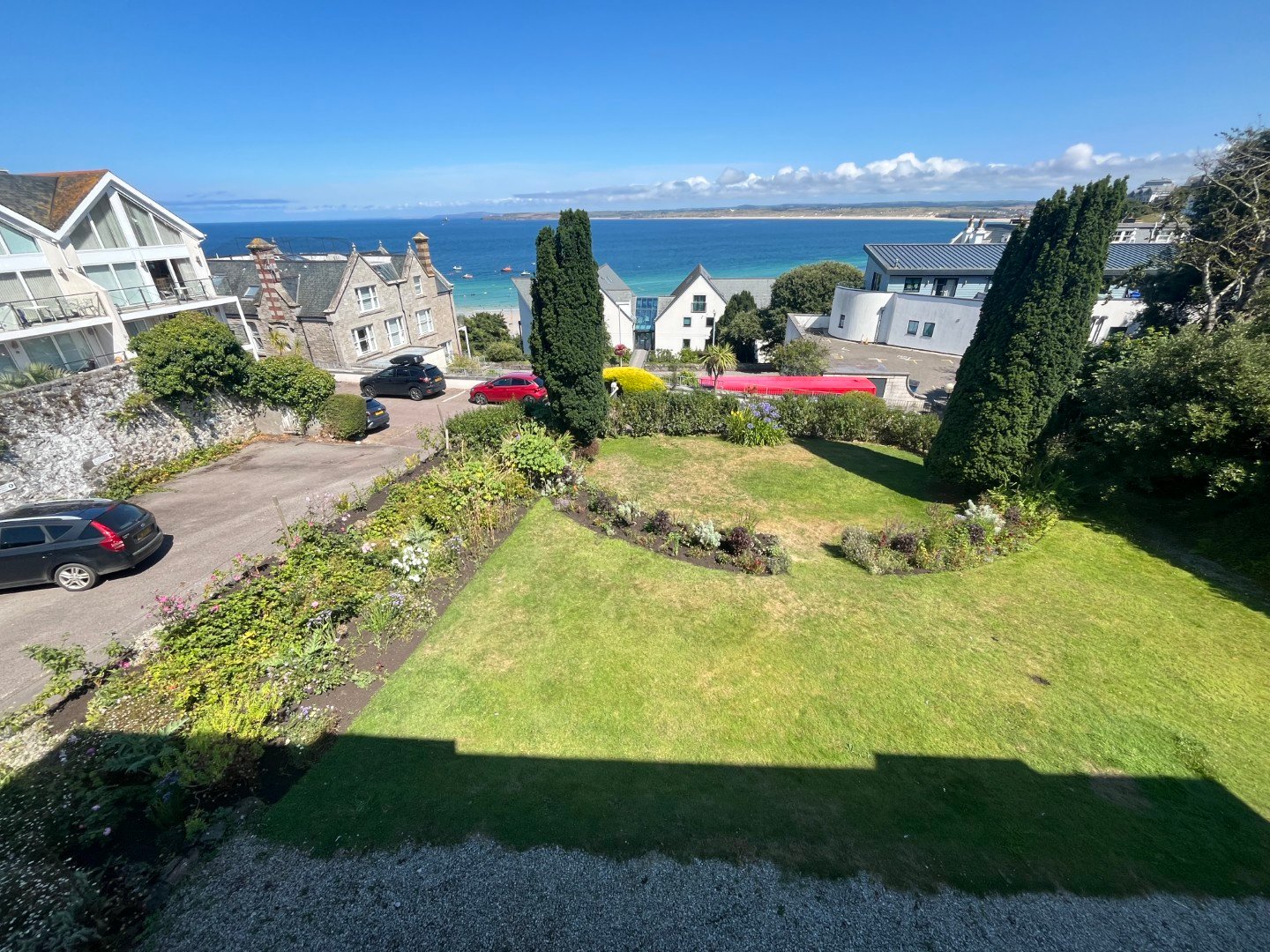
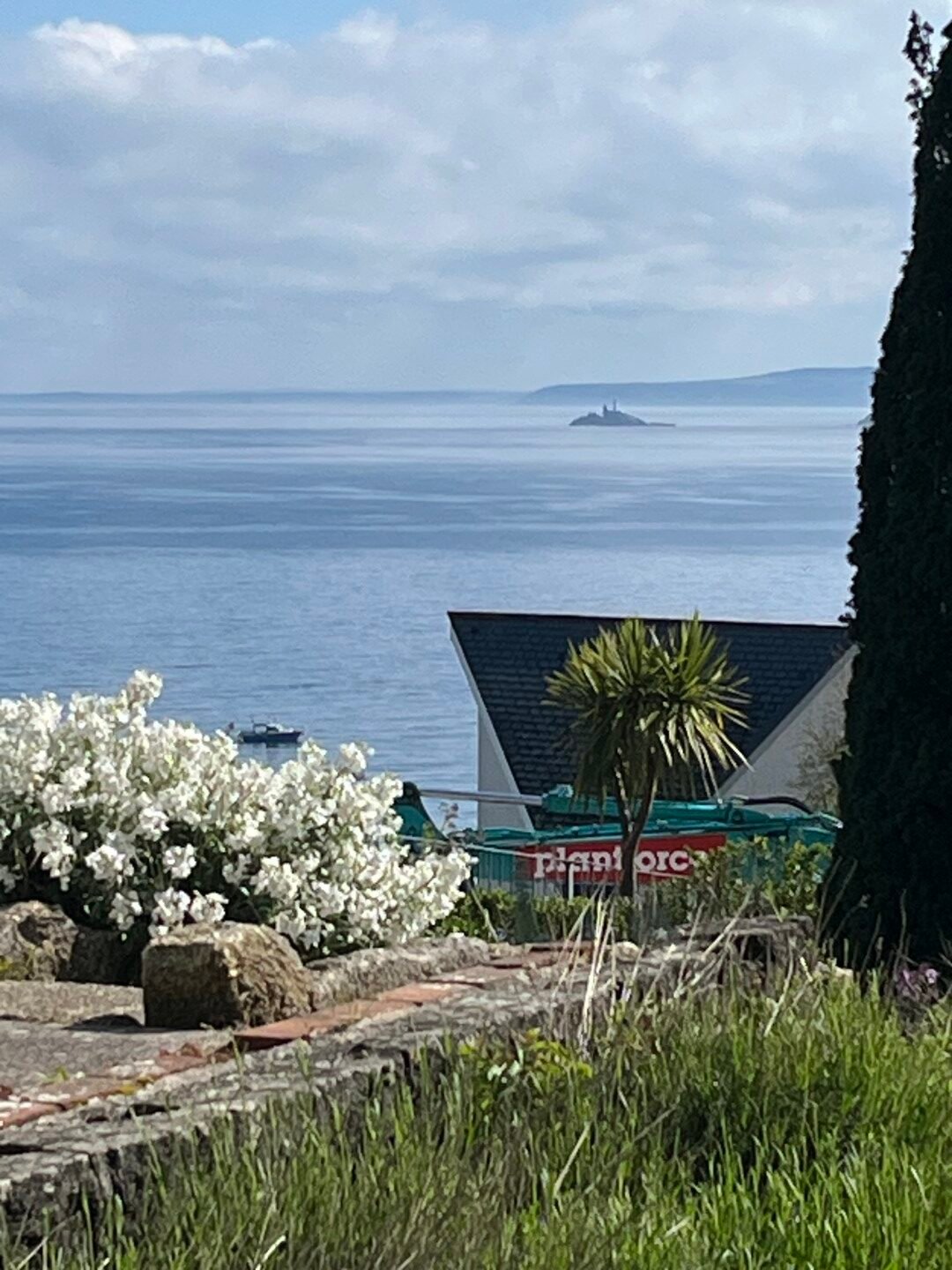
Today Talland house is home to residential flats, providing six much needed homes to tenants in St Ives. It is also a site of pilgrimage by lovers of Woolfs’ work, who come to experience the place that meant so much to her and formed the setting of her ground breaking novel To The Lighthouse. The house and gardens are private but people get a sense of the meaningfulness of the setting by standing in the road and glancing over the hedge to Talland and back to Godrevy lighthouse in St Ives Bay.

This view is currently under threat by a development of a 5 storey block of luxury flats, due to be raised in Spring 2027, exactly 100 years on from the publication of To The Lighthouse.

If you would like to receive updates on this situation, join the fight to save the view, hear more about the garden project and also upcoming events relating to Virginia Woolf and Talland house in St Ives, Cornwall, please add your name to the mailing list.

Many thanks

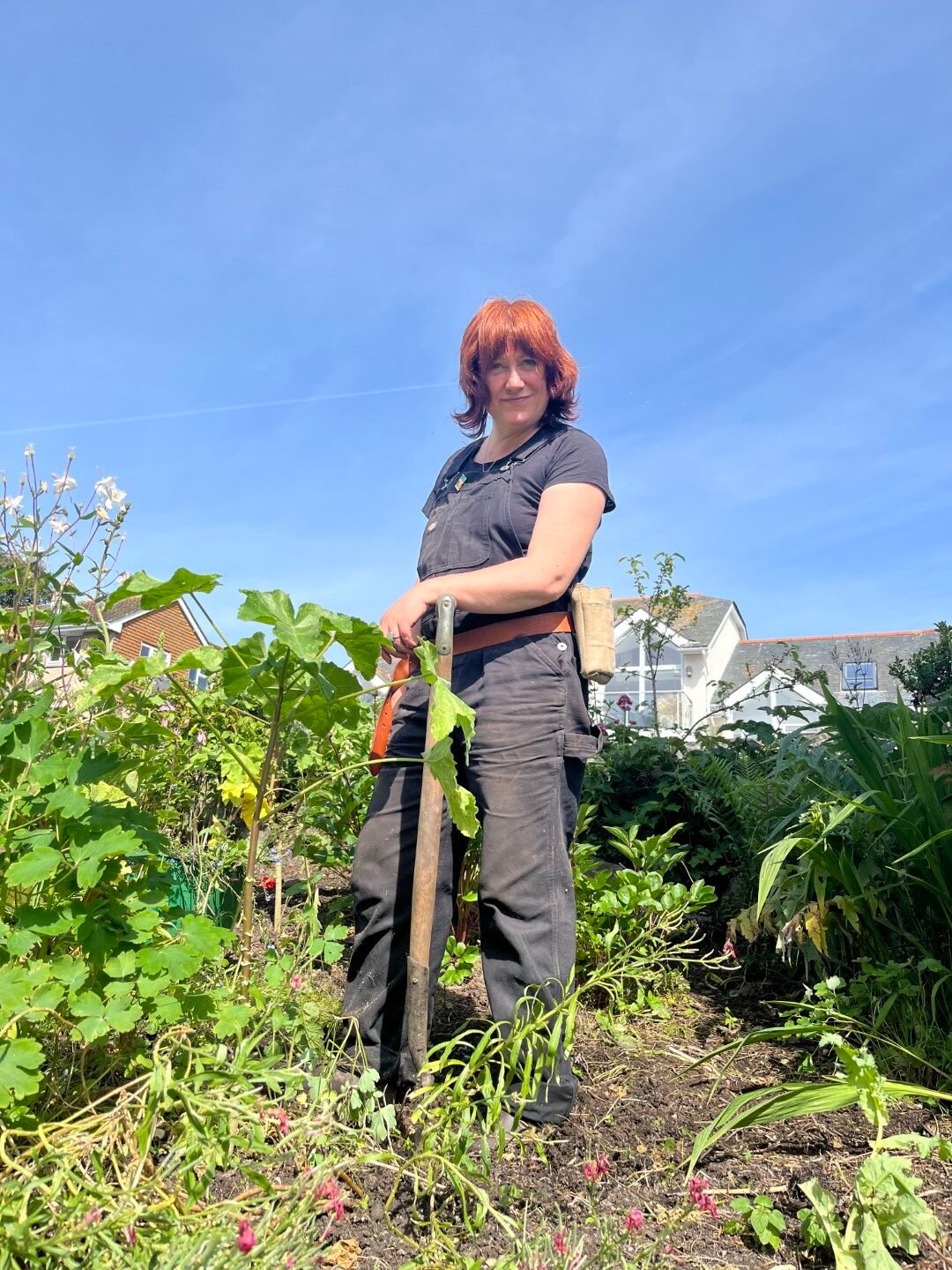
Polly Carter, Gardener at Talland house
Polly Carter
View from Talland house towards Godrevy Lighthouse in St Ives Bay
“Books are the flowers or fruit struck here and there on a tree which has its roots deep down in the earth of our earliest life, of our first experiences”
Virginia Woolf
“In retrospect nothing we had as children made as much difference, was quite so important to us, as our summers in Cornwall…when they took Talland House father and mother gave us, me at any rate-what has been perennial, invaluable…I could fill pages remembering one thing after another that made the summer at St Ives the best beginning to a life conceivable’
Virginia Woolf, Sketch of the Past, in Moments of Being
“Books are the flowers or fruit struck here and there on a tree which has its roots deep down in the earth of our earliest life, of our first experiences”
Virginia Woolf
“In retrospect nothing we had as children made as much difference, was quite so important to us, as our summers in Cornwall…when they took Talland House father and mother gave us, me at any rate-what has been perennial, invaluable…I could fill pages remembering one thing after another that made the summer at St Ives the best beginning to a life conceivable’
Virginia Woolf, Sketch of the Past, in Moments of Being
Talland Testimonials

Woolf is one of the greatest and most widely followed writers in the English language, who attracts the same level of attention and commentary as Shakespeare or Jane Austen. Talland House has for close to a century been a focus of attention for her vast numbers of readers, an invaluable cultural asset for the nation and a magnet for international cultural tourism to the region.

Dame Hermione Lee, FBA, FRSL, GBE, Biographer of Virginia Woolf, Emeritus Professor at Oxford
University, ex-President of Wolfson College Oxford and a trustee of the Wolfson Foundation

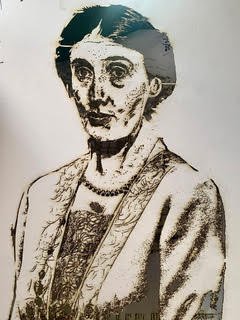
Stewy - Virginia Woolf Portrait
Goddrevy lighthouse view

Readers, students, scholars, historians, and artists need to have access to the view from Talland to ensure their access to Woolf's artistic vision. Woolf's autobiography, A SKETCH OF THE PAST, along with her novel TO THE LIGHTHOUSE, two of her most important works, are anchored in Woolf's summers at Talland House. The quality of the light, the way the garden appears against the water, the sound of the waves as one gazes across to Godrevy: these are so deeply woven into Woolf's writing and into the globally influential canon of English literature that the loss of the view from Talland would forever cut off an invaluable connection to Woolf and her moment.

Urmila Seshagiri, Woolf Scholar and Editor for Woolf’s The Life of Violet and upcoming Sketch of the Past

I believe Talland House lies at the very heart of the emotional landscape of Woolf’s work. The time she spent there did not simply influence her—it shaped her into the visionary modern woman and artist who helped redefine literature itself. As a Woolfian, I feel an overwhelming sense of gratitude for having been able to experience Talland’s spirit and history firsthand. Walking through the garden each morning, with Godrevy Lighthouse rising in the distance, feels quietly miraculous to me, as if I am stepping into the pages of the books that have so deeply shaped who I am. To share that experience with others during Polly Carter’s brilliant garden tours has been profoundly moving, and it truly breaks my heart to imagine a future in which people will be denied to feel the same sense of wonder, connection, and magic that this place so generously offers.

Nicola Montfort, Resident of Talland House, Soprano and Woolfian

The view from Talland House was a focus of a number of Woolf's most famous novels (including To the Lighthouse and Jacob's Room), and it is central to an understanding of her writing. This has been emphasised by literary studies in universities around the world. The thirteen summers which Woolf spent at Talland House were the foundation upon which she built a life of extraordinary creativity and genius, and she continued to revisit it in her mental world over many decades. This unnecessary building development ….would deprive future readers and students of a view as seen through Woolf's eyes, and as such it would be an act of egregious cultural vandalism.

Virginia Nicholson, Virginia Woolf’s great niece and president of the Charleston trust

Talland House and, crucially, its setting, are heritage assets of international and enduring cultural significance. The view from the house was formative for Virginia Stephen as a child; for the rest of her life Virginia Woolf was conscious of the extent to which that view structured her thinking and feeling. In book after book (Jacob's Room, The Waves, Sketch of the Past) she kept returning to interrogate its significance, for herself and for all her family. It gave the core central 'axis' to her preeminent masterpiece, the 1927 novel To the Lighthouse. It is therefore the basis for a literary view that lives in the minds of hundreds of thousands of readers around the world.

It's worth affirming that, since Talland House was listed in 1972, Woolf's reputation and readership have risen exponentially; the next generation of readers are responding passionately to what she offers in modern times. She has already a similar stature to Wordsworth or the Brontës, and it is growing.

Alexandra Harris, Award winning Author Virginia Woolf and Romantic Moderns

As a teacher of English in Cornwall I have often brought pupils to share this view and to read extracts of Woolf's novels and memoirs - many of them have gone on to further study of English, their imaginations sparked by this experience. As a writer and researcher on Woolf I am also very aware of what a pull St Ives is to this community.

Anna Selvey, Teacher and Author

Talland House, the gardens and view to the symbolic lighthouse has been an accessible inspiration for my creative practice over the past 7 years. The inherent value of this ‘pocket paradise’ is a precious intuitive aesthetic

Rebecca Harvey St Ives based Artist and Ceramicist

Woolf's father, Sir Leslie Stephen, had the presence of mind to take out a 100-year lease on the patch of land in front of Talland House to stop anything ruining the unique and breath-taking view from the house out towards Godrevy Lighthouse. Although his lease has long since expired, the view towards Godrevy, immortalised in the novel 'To The Lighthouse' by one of the 20th century's greatest writers, Virginia Woolf, has until now remained uninterrupted. This has become even more important when there are now developments on all sides of the house and on much of the land which used to belong to it. As well as affecting this important literary heritage, the proposed development will both dwarf and obscure Talland House.

Vanessa Curtis, Author of two biographies of Virginia Woolf and a number of award-winning novels for children

Newsletter Signup

Sign up to the newsletter to receive updates and info about upcoming events